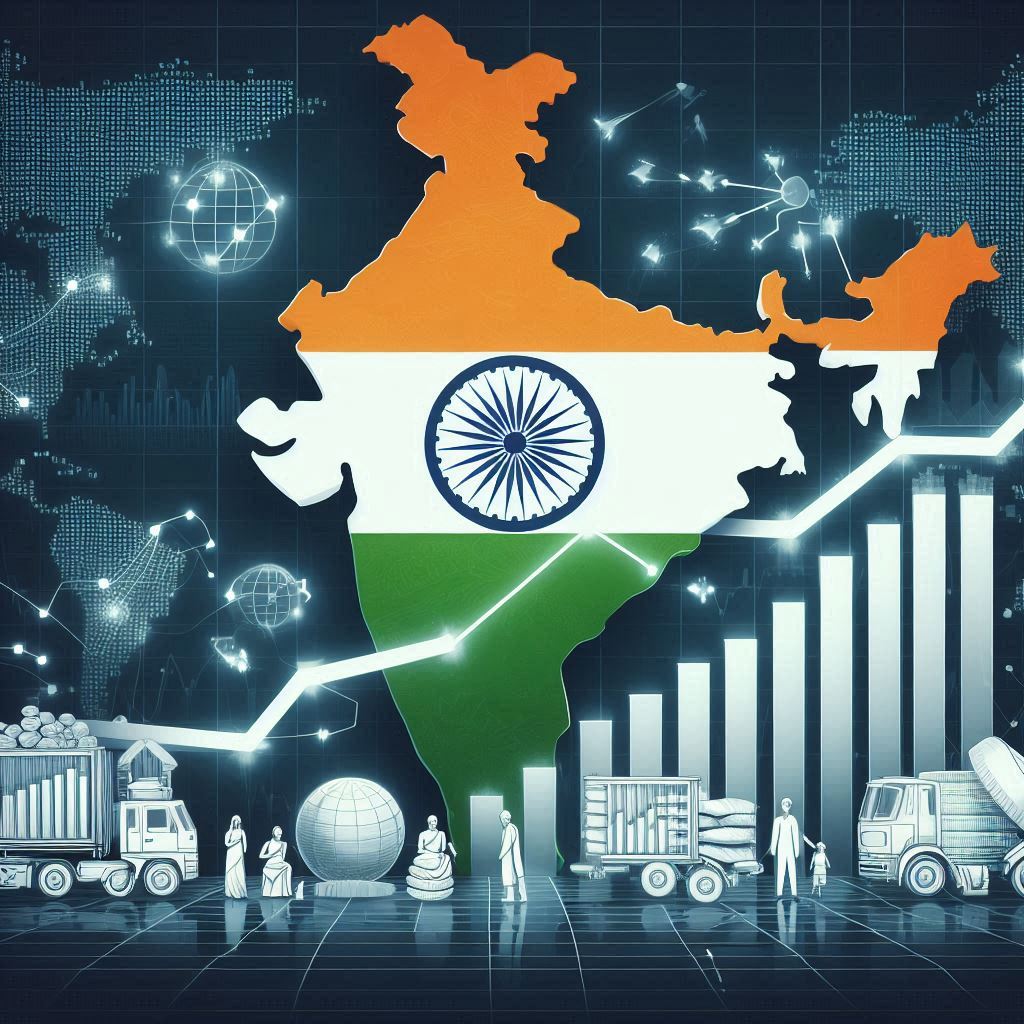
India is one of the fastest growing economies currently ranked fourth with 3.94 trillion dollar economy, with annual growth rate of 6.8%. India stands at a critical juncture, aiming for a $5 trillion economy amidst challenges and opportunities. Earlier Prime Minister Narendra Modi had vision to reach the $5 trillion economy by 2024-25. Finance minister Nirmala Sitharaman in the beginning of the year mentioned that India would hit the target of $5 Trillion by 2027-28. This ambitious goal is within reach, but it requires addressing several challenges and capitalizing on key opportunities.
Primary Sector: Agriculture and Livestock
Investment in the agricultural sector is paramount to unlocking the latent potential of our economy. Unfortunately, past policy approaches have been shortsighted, resulting in sluggish growth in agricultural investments. To realize our economic ambitions, we must pivot towards comprehensive and strategic investments.
The agricultural sector is the bedrock of India’s economy, according to the Periodic Labour Force Survey (PLFS) conducted by National Sample Survey Office states that around 46% of the total workforce is engaged in agriculture and allied sectors, but contributes less than 20% to the total GDP of the country. Therefore, investments have not kept pace with the sector’s needs. To catalyze growth, investments must extend beyond traditional farming into areas such as agro-processing, exports, agri-startups, and agri-tourism. These segments hold immense potential for job creation and capacity utilization but have been largely neglected.
Strengthening both public and private extension advisory systems and enhancing the quality of agri-education and research through collaboration and convergence is essential. Public investment must rise commensurately, encouraging innovative thinking while reducing inefficient expenditures on subsidies and populist measures. Currently, public money spent on agriculture research and education to total agriculture gross domestic product in India is less than 1% (~0.67% during 2017-18).
India boasts the highest livestock population globally, presenting a unique opportunity for growth. Investments in next-generation livestock technology, focusing on productivity enhancement, indigenous germplasm conservation, disease surveillance, quality control, waste utilization, and value addition, can transform this surplus into a powerhouse of economic activity.
Moreover, investing in renewable energy generation on fallow farmlands and hilly terrains can reduce the burden on debt-ridden electricity distribution companies and state governments. This would not only ensure energy security in rural areas but also support sustainable development.
Secondary and Tertiary Sectors: Manufacturing and Services
Private investment in agriculture can be routed through farm business organizations, driving innovation and efficiency. The experience of BRIC nations has shown that a 1% growth in agriculture is at least two to three times more effective in reducing poverty compared to similar growth in non-agricultural sectors. Encouraging private sector participation requires a favorable policy environment, but India’s current tax and regulatory frameworks are major deterrents.
Despite our policy of encouraging foreign direct investment (FDI), aggressive tax laws and anti-industry tax administration discourage foreign investors. India, with less than 2% of global trade, has the highest number of transfer pricing disputes worldwide, reflecting the complexities and inefficiencies in our system. Streamlining regulatory and labor laws, particularly at the state level, is necessary to reduce the excessive time and bureaucratic hurdles involved in setting up industries.
China, once on par with India in GDP, is now a $13 trillion economy, largely due to its embrace of private enterprise and a conducive business environment. We must learn from China’s experience and foster a more supportive environment for private enterprise.
Addressing Employment and Education Challenges
India faces a paradox of high economic growth with declining employment rates. The rising population and consequent labor force risk turning the demographic dividend into a demographic disaster. Literacy rates in India lag behind many African countries, and the quality of education is alarming, as evidenced by the ASER 2018 report.
Agricultural real wages and urban wages have been declining, leading to a crash in aggregate demand. Addressing these challenges requires a focus on human capital formation and addressing the real reasons for the economic slowdown. Public expenditure should increase in agricultural infrastructure, inputs, extension services, marketing, storage, and training, alongside providing profitable prices to farmers.
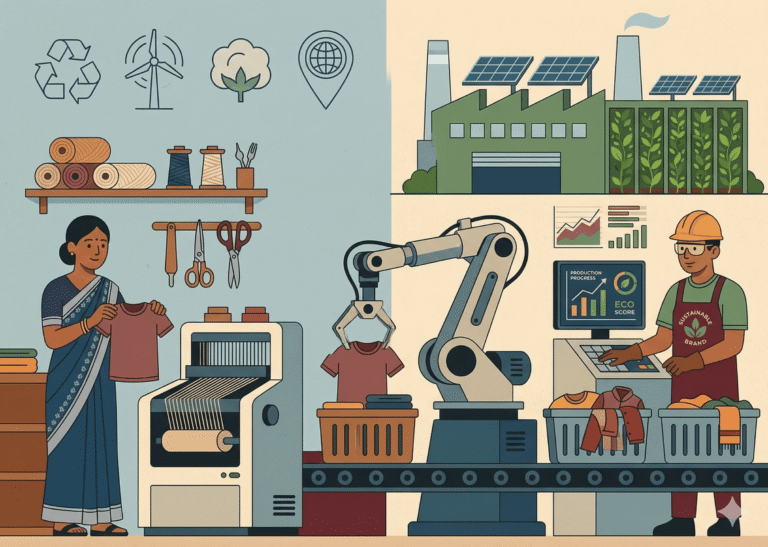
To boost employment, promoting labor-intensive sectors such as gems and jewelry, textiles and garments, and labor goods is crucial. Regularizing contract, casual, and honorary jobs, and creating additional jobs to ensure basic health and quality education can significantly uplift the workforce.
Conclusion
India’s journey towards a $5 trillion economy hinges on strategic investments across various sectors, particularly agriculture. The growing inequality in India underscores that achieving this economic milestone is insufficient without ensuring social equality. By fostering a favorable investment climate, enhancing regulatory frameworks, and addressing employment and education challenges, India can unlock its true economic and social potential. The time to act is now; we must transform our aspirations into reality and secure a prosperous future for all.