|
Getting your Trinity Audio player ready...
|
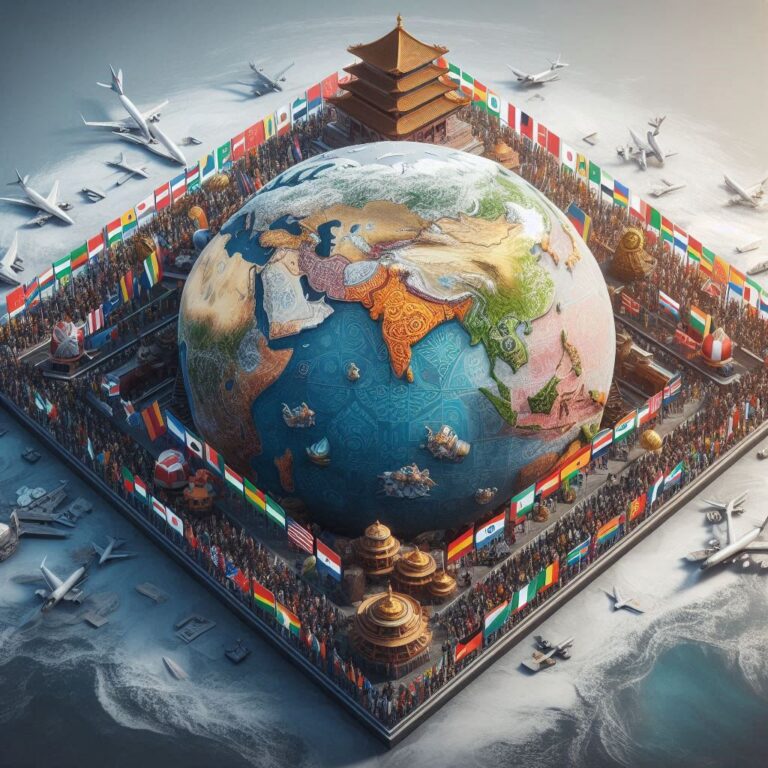
Minilateralism is redefining global governance in the 21st century, offering a streamlined and effective approach to tackling pressing regional and global challenges. By focusing on smaller, focused coalitions of states, it enables quicker decision-making and ensures that the collective welfare of participating nations remains at the forefront. One such minilateral platform that is playing a transformative role in the South and Southeast Asian region is BIMSTEC (Bay of Bengal Initiative for Multi-Sectoral Technical and Economic Cooperation).
Understanding BIMSTEC: Member States and Vision
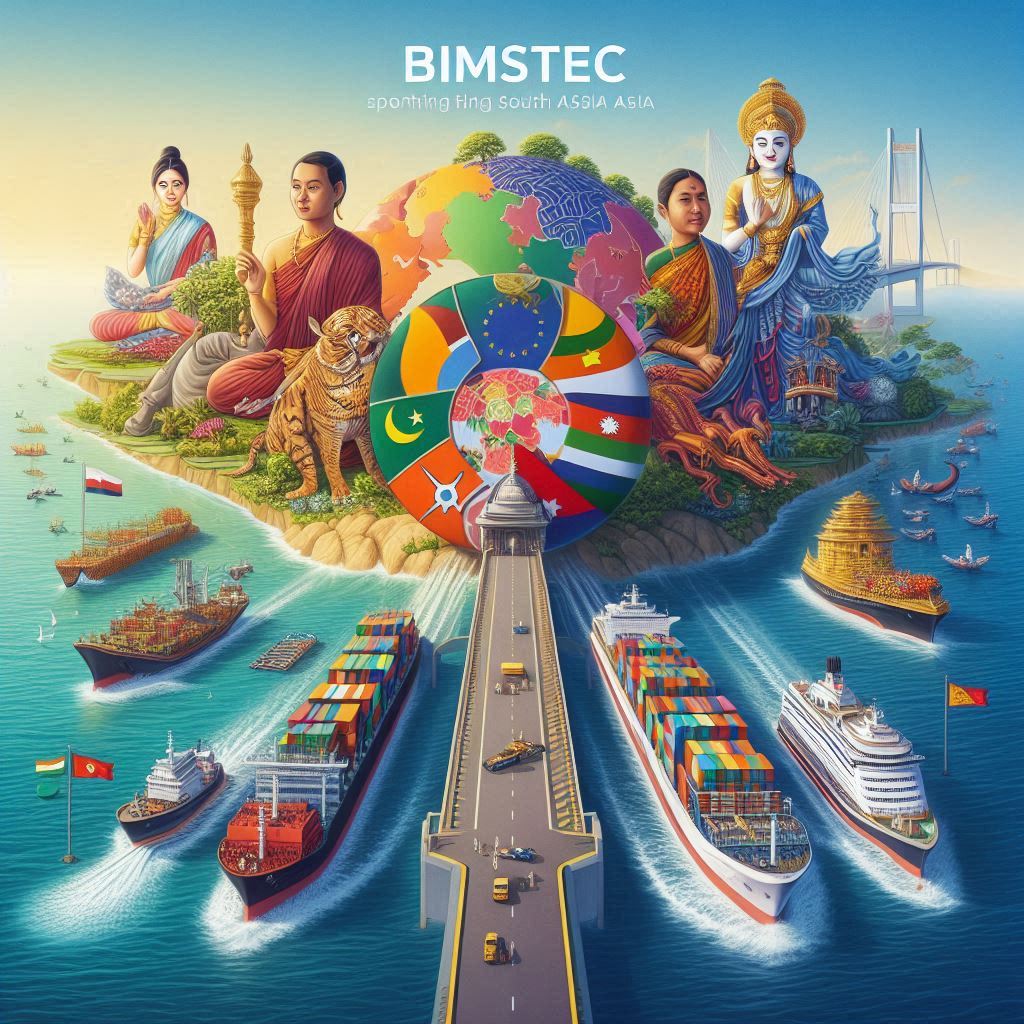
BIMSTEC brings together seven member countries—Bangladesh, India, Myanmar, Sri Lanka, Thailand, Nepal, and Bhutan—spanning South and Southeast Asia, with the Bay of Bengal at its heart. Representing 22% of the global population and a combined GDP of nearly $2.7 trillion, BIMSTEC is a powerhouse of potential. It encompasses vast markets and is endowed with rich natural resources, making it a vital platform for regional cooperation.
India’s engagement with BIMSTEC aligns closely with its Neighbourhood First and Act East policies, positioning it as a strategic bridge between South Asia and Southeast Asia. Furthermore, five BIMSTEC members overlap with SAARC (India, Bhutan, Nepal, Sri Lanka, and Bangladesh), and two (Myanmar and Thailand) are part of ASEAN, showcasing its ability to interlink diverse regional architectures.
Achievements: Building Regional Infrastructure
BIMSTEC has made significant strides in fostering connectivity and cooperation. The ongoing negotiations for the BIMSTEC Coastal Shipping Agreement and the BIMSTEC Motor Vehicle Agreement aim to enhance regional transportation and trade links. Additionally, the completion of negotiations for a Memorandum of Understanding (MoU) on the establishment of the BIMSTEC Grid Interconnection marks a critical step toward energy integration in the region.
Strategic Importance
BIMSTEC holds immense geopolitical and economic significance. Beyond its demographic and economic heft, the grouping offers a new battleground for India to counter China’s growing influence in the region. India can leverage BIMSTEC to push back against China’s Belt and Road Initiative (BRI) by promoting its own constructive development agenda.
In the maritime domain, BIMSTEC could play a pivotal role in ensuring freedom of navigation, developing codes of conduct, and applying the existing law of the seas at a regional level. By instituting a “Bay of Bengal Zone of Peace,” BIMSTEC could also curb militarization in the region, ensuring that external powers act responsibly in this critical maritime space.
Challenges: Roadblocks to Regional Integration
Despite its potential, BIMSTEC faces numerous challenges. The Free Trade Agreement, negotiated as far back as 2004, remains incomplete, hindering efforts to boost intra-regional trade from its current 7% to a targeted 21%. Infrastructure projects, such as the India-Myanmar-Thailand Trilateral Highway, have yet to be completed, reflecting the slow pace of progress.
Moreover, weak institutional mechanisms, financial constraints, and a lack of consistent focus have stalled BIMSTEC’s growth. The region’s vulnerability to natural disasters, incidents of sea piracy, and unregulated fishing add further complexities. The Rohingya refugee crisis and Myanmar’s ongoing political turmoil following the military coup pose significant diplomatic and humanitarian challenges.
Reinventing BIMSTEC: A Way Forward
To truly realize its potential, BIMSTEC must reinvent itself—possibly rebranding as “The Bay of Bengal Community”—and adopt a more dynamic approach. Regular annual summits are essential to demonstrate a strong commitment to the platform’s vision. Expanding membership to include Indonesia, Malaysia, and Singapore could enhance its strategic weight and regional representation.
A special focus on cross-border e-commerce, digital connectivity, and intellectual property rights (IPR) cooperation is needed to modernize its economic agenda. Strengthening socio-cultural interactions and forging ties with other multilateral organizations for manpower training can further deepen regional integration.
Overcoming Hurdles
BIMSTEC’s success hinges on fostering cordial bilateral relations among its member states. The uncertainty surrounding SAARC complicates matters, with Nepal and Sri Lanka advocating for its revival even as they participate in BIMSTEC. Additionally, China’s growing influence in South and Southeast Asia poses a strategic challenge, requiring BIMSTEC to craft a unified approach to counter external pressures.
Myanmar’s political instability, characterized by the military coup and ongoing resistance, has created a fresh set of hurdles for regional cooperation. Addressing these issues will require both diplomatic finesse and collective resolve.
Conclusion
BIMSTEC stands at a crossroads, with immense potential to reshape the regional order. By addressing its challenges, strengthening its institutional framework, and expanding its vision, BIMSTEC can emerge as a cornerstone of regional governance, linking South Asia and Southeast Asia through shared prosperity and cooperation. Minilateralism, embodied by platforms like BIMSTEC, is not just reshaping world order—it is becoming the key to a more connected, balanced, and inclusive global future.